

An Ode to Serve and Volley
Lost Art? Not quite yet and hopefully not ever

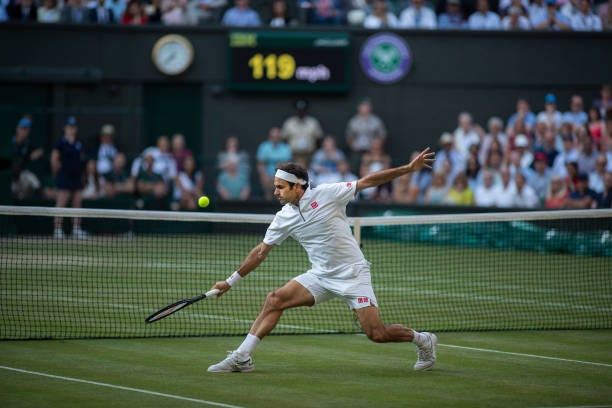
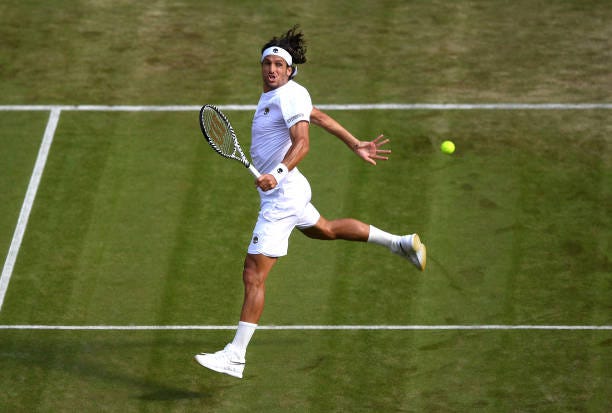
I will admit it. I’m a sucker for serve and volley, and one of the pleasures in watching Feliciano Lopez’s final tour-level matches this week in Mallorca was seeing Lopez put the tactic to deft and frequent use.
Lopez, the flashy and long-maned Spanish left-hander, is now 41 years old and was ranked 634 in the world as he played his last ATP tournament. With no Wimbledon wildcard coming his way, it is the right time to say goodbye even if he showed in Madrid this year that he still has a lot to learn about his next act of being a tournament director.
But Lopez, with racket in hand, remained an attacking force to be reckoned with on grass until the end. This week he won two rounds by chipping and charging off returns or slicing backhands with precision and darting to the net with gusto to break up baseline rallies. Above all, he served and volleyed: using his potent and versatile lefty delivery to set up angles of attack as he rushed forward.
It was vintage tennis, which seems appropriate from a veteran in his 40s whose record of 79 consecutive Grand Slam singles tournament appearances could stand for many years (Lopez broke the mark of Roger Federer, who also played his final tour-level match at age 41).
Nostalgia about serve and volley is nothing new. It has been considered a dying art in singles for decades: ever since Lleyton Hewitt won Wimbledon from the baseline in 2002 and Federer, a serve-and-volleyer in his impetuous youth, steadily and severely curtailed his use of the tactic as his own Wimbledon victories piled up.